Thursday, October 31, 2024

The Versatile Application of Multi-functional Plastic Rolls

Corflute Roll, also known as corrugated plastic roll or double-walled plastic roll, is a lightweight and durable material extruded from high-impact polypropylene or polyethylene resin. Due to its unique structure and diverse functionalities, this material has found widespread applications in packaging, printing, construction protection, advertising, and numerous other fields.

The primary characteristic of Corflute Roll is its double-walled structure, which grants it exceptional strength and durability. Additionally, it boasts waterproofing, lightness, recyclability, and environmental friendliness. These attributes make Corflute Roll an ideal choice for many industries.In the packaging sector, Corflute Roll is frequently utilized as packaging material due to its lightweight and durable nature, effectively shielding items from damage. Its waterproof properties also enable it to perform exceptionally well in moist environments. Furthermore, Corflute Roll can be customized according to client needs, such as by adding UV stabilizers, antistatic agents, and conductive agents, to meet the demands of various applications.In the printing industry, Corflute Roll is the preferred choice for creating advertising boards, promotional posters, and other promotional materials due to its excellent printing effects and weather resistance.


Its lightweight and easy-to-process characteristics facilitate a more convenient production and installation process.In the field of construction protection, Corflute Roll is often used as protective material for floors and walls. Its sturdy structure and impact resistance can effectively prevent damage during the construction process. Meanwhile, its waterproof and moisture-resistant properties make it an ideal choice for protecting building materials.Moreover, Corflute Roll has garnered widespread attention due to its environmental friendliness. It is recyclable and reusable, contributing to reducing waste and environmental pollution. This environmental attribute gives Corflute Roll broader application prospects in the context of sustainable development.Overall, Corflute Roll, with its unique structure and diverse functionalities, demonstrates extensive application prospects in packaging, printing, construction protection, advertising, and many other fields.

As people increasingly focus on environmental protection and sustainable development, the environmental attributes of Corflute Roll will open up more market opportunities for it. In the future, we can anticipate Corflute Roll playing a greater role in more fields, bringing more convenience and benefits to human life and work.

Monday, October 28, 2024

The Ideal Choice for Outdoor Shading

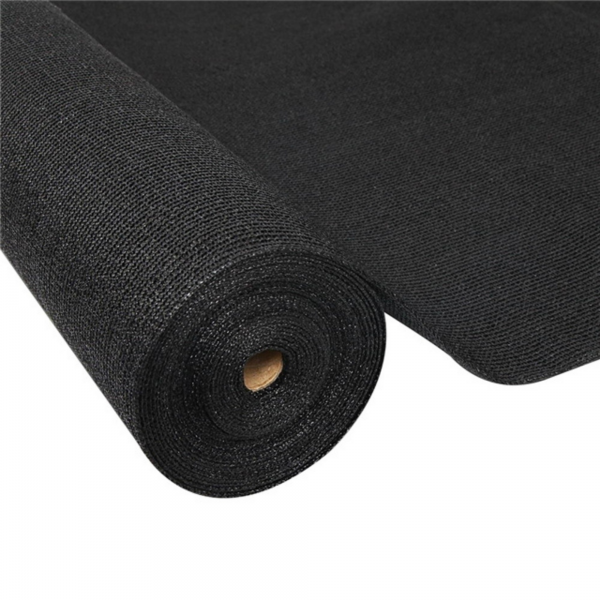
Shade cloth, also known as sunshade fabric, is a specialized cloth widely used in outdoor activities and gardening. Its primary function is to block sunlight, reducing the intensity of direct rays and subsequently lowering the ambient temperature, thereby providing a more comfortable environment for plants and people. This article delves into the materials, applications, and effects of shade cloth in various scenarios.

Materials and Types.Shade cloth is made from a variety of materials, primarily synthetic ones like polyethylene. These materials are not only lightweight and durable but also exhibit excellent shading capabilities. Depending on the shading percentage, shade cloth can be categorized into several types, such as 30%, 50%, 70%, and other percentages. Higher shading percentages typically correspond to thicker and denser fabrics, offering more significant shading effects.Beyond its basic shading function, some shade cloths possess additional properties like waterproofing, UV resistance, and aging resistance, catering to the needs of diverse users.Application Scenarios.Shade cloth finds extensive application in the gardening domain. During intense summer heat, harsh sunlight can scorch plants and hinder their growth. Using shade cloth effectively blocks part of the sunlight, creating a more suitable growth environment for plants. For plants with different sunlight preferences, different shading percentages of shade cloth can be selected to achieve optimal shading effects.Apart from gardening, shade cloth is also commonly used in outdoor activity venues like camping, picnics, and beach vacations. In these settings, shade cloth can be set up as temporary sunshades, providing cool resting spaces for people.

Shading Effects and Data Analysis.Studies reveal variations in shading effects among different materials of shade cloth. For instance, polyethylene shade cloth can achieve a shading effect of up to 100%, while fabrics with silver reflective coatings may have a shading effect reduced to 60%. Similarly, non-reflective black materials also exhibit a shading effect of 60%.In practical applications, meteorological data (such as temperature, humidity, wind speed, and solar radiation) is collected to assess the shading effects of shade cloth. This data is utilized in physiological models to predict the respiratory rates of animals (e.g., cows) in different environments. By comparing respiratory rates and stress indices under different shading materials, the actual effects of various shading materials can be evaluated.Usage Tips and Recommendations.When selecting shade cloth, in addition to considering the shading percentage, attention should also be paid to the fabric's color, thickness, and durability. For low-profile sunshades, it is advisable to choose darker fabrics with good light transmission to avoid obstructed visibility. For shade cloths that will be exposed outdoors for extended periods, materials that are aging-resistant and wear-resistant should be selected.When installing shade cloth, ensure that the support poles and connectors are securely fastened to prevent damage from wind and rain. Additionally, regularly cleaning the shade cloth to remove dust and dirt can extend its lifespan and maintain good shading effects.

Shade cloth, as a practical shading material, plays a vital role in gardening and outdoor activities. By choosing the right material and shading percentage, a more comfortable environment can be created for plants and people. With continuous technological advancements and expanding applications, shade cloth is poised to play an even greater role in the future.


Thursday, October 10, 2024

Protecting Your Outdoor Spaces with Style and Functionality

In the realm of outdoor living, shade cloth has emerged as a versatile and essential element, blending the need for protection from harsh sunlight with aesthetic appeal. Whether you're looking to create a cozy reading nook in your garden, a shaded play area for children, or a protected outdoor dining spot, shade cloth offers a practical and stylish solution. This article delves into the myriad benefits, types, and applications of shade cloth, highlighting why it has become a staple in modern outdoor design.

Understanding Shade Cloth.Shade cloth, also known as sunscreen fabric or shading mesh, is a lightweight, durable material specifically designed to reduce the intensity of sunlight while allowing for some level of air circulation and natural light penetration. It is typically made from high-density polyethylene (HDPE) or polyester fibers, which are UV-stabilized to resist fading and degradation from sun exposure. The openness of the mesh—measured as a percentage (e.g., 50%, 70%, 90%)—determines the amount of light and heat that passes through, allowing customization based on specific needs and climate conditions.Benefits of Shade Cloth.Temperature Regulation: By blocking direct sunlight, shade cloth significantly lowers the temperature underneath, creating a cooler, more comfortable environment. This is particularly beneficial in hot climates, where excessive heat can make outdoor spaces unusable.UV Protection: Effective UV blocking capabilities help protect furniture, plants, and people from harmful ultraviolet rays, reducing fading and skin damage.Enhanced Privacy: Depending on the mesh density and installation method, shade cloth can provide varying levels of privacy, creating a more intimate outdoor space.Ventilation: Unlike solid covers, shade cloth allows air to flow through, reducing humidity and preventing the build-up of condensation, which is crucial for maintaining a healthy outdoor environment.Durability and Longevity: High-quality shade cloth is weather-resistant, mildew-resistant, and easy to clean, ensuring it remains functional and attractive for years.Versatility in Design: Available in a range of colors, patterns, and sizes, shade cloth can be tailored to fit any outdoor space, blending seamlessly with existing decor.


Types of Shade Cloth.Knit Shade Cloth: This type features interlocking loops that create a flexible, breathable fabric. It's often used for light to moderate shading needs and is easy to install and clean.Woven Shade Cloth: Made from woven fibers, woven shade cloth offers a stronger, more durable option suitable for heavy-duty applications. It typically provides better UV protection and can come in various thicknesses and openness ratings.Coated Shade Cloth: Coated with a UV-protective layer, this type offers superior durability and fade resistance. It's ideal for areas exposed to extreme weather conditions.Applications of Shade Cloth.Garden Shades: Protect delicate plants and create shaded pathways with garden shade cloth. This helps maintain soil moisture and reduces stress on plants during hot periods.Patio and Deck Covers: Install shade cloth over patios, decks, or balconies to create a cool, inviting outdoor living area. Combine it with posts, beams, or a frame for a structured look.Carports and Garages: Extend the life of your vehicles and stored items by using shade cloth to protect them from sun damage and weather elements.Pool Enclosures: Provide shade and privacy around swimming pools without completely enclosing the area, enhancing safety and comfort.Livestock Shelters: For agricultural use, shade cloth offers a cost-effective way to provide shelter and cooling for livestock, promoting health and productivity.Installation Tips.Installing shade cloth involves securing it to a sturdy frame or structure using tensioners, clips, or bungee cords. Ensure the fabric is taut to prevent sagging and to maximize its effectiveness. Consider the direction of sunlight and wind patterns to optimize placement for maximum protection and longevity.

In conclusion, shade cloth is a multifaceted solution for enhancing outdoor spaces, offering a blend of functionality, durability, and aesthetic appeal. Whether you're seeking to create a serene garden retreat or a robust outdoor workspace, shade cloth can be tailored to meet your needs, transforming your outdoor environment into a more enjoyable and livable space.

Monday, October 7, 2024

A Versatile Material for Various Applications

Self-adhesive film, also known as pressure-sensitive adhesive film, is a type of material that adheres to surfaces without the need for additional glues or solvents. This film combines a substrate layer with an adhesive layer, making it highly convenient for a wide range of applications.

History and Development.The concept of self-adhesive film has evolved significantly since its inception.Composition and Properties.Self-adhesive films typically consist of a base layer made of materials like polypropylene, polyethylene, or polyester. This base layer provides the film with its structural integrity and flexibility. The adhesive layer, which is coated onto one or both sides of the base layer, is formulated to ensure strong bonding to various surfaces while maintaining ease of removal.Key properties of self-adhesive films include:Adhesive Strength: The film must exhibit sufficient adhesive strength to hold onto surfaces securely without causing damage upon removal.Flexibility: The film should be able to conform to the contours of the surfaces it is applied to.Durability: The film must be resistant to wear and tear, ensuring it maintains its adhesive properties over time.Release Properties: The adhesive layer should allow for easy removal without leaving residue or damaging the underlying surface.


Self-adhesive films are used in a multitude of industries and applications, including:Packaging: Films with excellent cutting properties, tackiness, and microwave oven applicability are ideal for food packaging. They help protect food from contamination and extend its shelf life.Temporary Protection: In manufacturing and construction, self-adhesive films are used to protect surfaces from scratches, dust, and other contaminants during processing or construction.Graphics and Signage: The ability to conform to irregular surfaces and resist fading makes self-adhesive films ideal for outdoor and indoor signage, vehicle wraps, and window graphics.Electronics: Films with specific electrical properties are used in the manufacturing of electronic devices to provide insulation, shielding, and protection.Innovations and Future Trends.Recent innovations in self-adhesive films have focused on enhancing their performance and versatility. For instance, films with built-in air channels or chambers are being used for installing floor coverings, providing better adhesion and reducing the risk of bubbles or wrinkles.Biocidal self-adhesive films, which have antimicrobial properties, are also gaining popularity, particularly in healthcare and food processing environments. These films can help reduce the risk of cross-contamination and improve hygiene.

In the future, we can expect to see more advancements in the material science behind self-adhesive films. This includes the development of films with enhanced durability, improved environmental performance, and specialized adhesive properties tailored to specific applications.Self-adhesive films are a versatile and essential material in many industries. Their ability to adhere to surfaces without the need for additional glues or solvents makes them highly convenient and efficient. With continuous advancements in material science and technology, we can expect to see even more innovative and effective self-adhesive films in the future.

Sunday, September 29, 2024

Versatile Plastic Laminate with Wide Applications

Corflute Roll, also known as corrugated plastic roll or flute board, is a lightweight, high-strength, and durable plastic material widely used in various industries. It is primarily made of polypropylene (Polypropylene) or polyethylene (Polyethylene) resin, featuring a unique double-layered corrugated structure that provides exceptional strength and flexibility. This article delves into the characteristics, applications, and advantages of Corflute Roll.

With its unique structure and material composition, Corflute Roll boasts the following notable characteristics:High Strength and Flexibility: Crafted from high-impact polypropylene or polyethylene resin, Corflute Roll can withstand significant bending and compression without easily breaking.Chemical Inertness: It has a neutral pH value and exhibits good resistance to most oils, solvents, and water, maintaining its performance in harsh environments.Weather Resistance: Whether exposed to severe weather conditions or intense chemical environments, Corflute Roll retains its structural stability and performance.Customizability: Corflute Roll can be customized according to customer needs, including color, thickness, and design, catering to diverse application requirements.Due to its versatility and durability, Corflute Roll finds extensive application in multiple sectors:Printing and Packaging: With its smooth surface and excellent printing effects, Corflute Roll is often used as a substrate for printing materials. Additionally, its lightweight and durable characteristics make it an ideal choice for the packaging industry.

Construction Protection: In building construction, Corflute Roll can be used to protect walls, floors, and other building materials from damage during the construction process.Advertising and Signage: Its lightweight nature, ease of cutting, and installation make Corflute Roll an ideal material for producing outdoor billboards, signage, and identification markers.Agriculture and Horticulture: In agriculture, Corflute Roll can be used to make greenhouse covering materials, fruit tree protection nets, etc. In horticulture, it is commonly used as garden fencing and decoration.Environmental Friendliness: Corflute Roll is recyclable, aligning with modern society's environmental protection principles.Cost-Effectiveness: Compared to other materials, Corflute Roll offers a higher cost-performance ratio, reducing usage costs.Ease of Processing: Corflute Roll is easy to cut, bend, and install, significantly simplifying construction and production processes.

As a high-performance, versatile plastic laminate, Corflute Roll has found widespread application across multiple industries due to its unique structure and material properties. Whether in printing and packaging, construction protection, advertising and signage, or agriculture and horticulture, Corflute Roll has won the favor of the market with its outstanding performance, environmental friendliness, and cost-effectiveness. With continuous technological advancements and growing demand, the application prospects for Corflute Roll will become even broader.

Thursday, September 26, 2024

Building a Secure and Flexible Defensive Network

 In the digital era, with the rapid development and widespread adoption of network technologies, cybersecurity issues have become increasingly prominent, posing significant challenges to corporate operations and individual privacy protection. To address this challenge, the cybersecurity field continues to explore and innovate, among which "Safety Mesh," an emerging cybersecurity architecture, is gradually garnering widespread attention and adoption within the industry.

Definition and Characteristics of Safety Mesh.Safety Mesh, or cybersecurity mesh, refers to a framework that connects, integrates, and collaboratively manages various cybersecurity control systems, services, and data to provide comprehensive security protection. It aims to establish a flexible, resilient, and dynamic security environment capable of withstanding increasingly complex and diverse cyber threats. Compared to traditional cybersecurity approaches, Safety Mesh boasts several notable characteristics:Collaborative Cooperation: Traditional cybersecurity methods rely primarily on the independent operation of individual security devices or systems, lacking cross-system collaboration. Safety Mesh, however, enhances overall security defense capabilities and strengthens cooperation among parties by enabling collaboration and information sharing between security control systems and services.Unified View and Management: Traditional cybersecurity methods often necessitate the use of multiple different management interfaces for managing individual security devices or systems, complicating to security management. Safety Mesh offers a unified view and management platform, allowing administrators to more easily manage and monitor the entire security environment, thereby improving management efficiency and response speed.Flexibility and Scalability: Traditional cybersecurity methods often require considering device compatibility and differences during deployment and expansion. Safety Mesh, on the other hand, possesses high flexibility and scalability, enabling the flexible deployment and adjustment of security control systems according to actual needs, making it suitable for various network environments of varying sizes and complexities.Architecture and Functions of Safety Mesh.The architecture of Safety Mesh primarily comprises the following layers:Security Analytics and Intelligence Layer: This layer supports collaborative detection with third-party security tools, leveraging rich threat analysis methods combined with threat intelligence and machine learning technologies to produce more accurate and consistent threat analysis results.

Unified Policy Management Layer: This layer primarily encompasses security policy orchestration and security posture management, supporting the unified collection of policies and their conversion into local configuration policies for individual security tools, enabling distributed execution and supporting dynamic policy management services.Integrated Control Interface Layer: This layer supports security data visualization, providing a composite view of the security system, including a unified control panel, alerts, audits, guidance manuals, reports, and more, empowering security teams to respond to security incidents quickly and effectively.Identity Architecture Layer: This layer primarily provides directory services, adaptive access, decentralized identity management, authentication, and authorization management functions, supporting the construction of a zero-trust network architecture tailored to user needs.Application Examples of Safety Mesh.In practical applications, Safety Mesh has demonstrated robust security protection capabilities. For instance, a company adopted the Safety Mesh architecture to achieve unified management, operation, and maintenance of its existing hardware and software security tools and security resource pools through a unified portal. This solution not only integrates multiple security tools and capabilities but also realizes centralized invocation and control of security capabilities through a unified standard interface, significantly enhancing the efficiency and effectiveness of security management.Additionally, in the mining industry, Safety Mesh has been applied in wireless broadband communication systems. By utilizing multiple wireless MESH routers to form a wireless transmission backbone network, replacing traditional wired networks, it achieves comprehensive coverage and efficient management of various applications within mines, such as video surveillance, voice communication, personnel, and equipment positioning, effectively enhancing mine safety production levels.

Safety Mesh, as an emerging cybersecurity architecture, provides powerful support for addressing complex and ever-changing cyber threats with its flexibility, collaboration, and efficiency. As technology continues to evolve and application practices deepen, Safety Mesh will play a crucial role in more sectors, contributing to the creation of a safer and more reliable network environment.

Monday, September 23, 2024

Versatile Plastic Roll Material with Widespread Applications

In modern industries, construction, and packaging sectors, Corflute Roll (corrugated plastic roll), as a high-performance and multifunctional material, is gradually showcasing its unique charm and vast potential for application. This article delves into the fundamental characteristics, production processes, application areas, and market prospects of Corflute Roll.

Fundamental Characteristics.Corflute Roll, also known as Corrugated Plastic, Coroplast, Correx, among others, is a double-wall plastic sheet extruded from high-impact polypropylene (PP) or polyethylene (PE) resins. Its distinctive corrugated structure imparts exceptional strength and durability, coupled with lightweight, waterproof, chemical resistance, and recyclability. Corflute Roll can withstand numerous bends without cracking, maintaining stable chemical properties that are unaffected by most oils, solvents, and water.Production Processes.The production of Corflute Roll employs advanced extrusion technology, where molten PP or PE resins are pressed through specific dies to form corrugated sheets. During the process, specific additives such as antistatic agents, conductive agents, and UV stabilizers can be incorporated to enhance the product's overall performance. Moreover, custom thicknesses (ranging from 2mm to 10mm) and colors (including white, black, red, blue, etc.) can be produced to cater to various industry and occasion requirements.Application Areas.Thanks to its exceptional properties, Corflute Roll finds widespread applications in multiple fields:Packaging and Protection: In logistics and transportation,Corflute Roll serves as a packaging material for goods, leveraging its lightweight yet sturdy characteristics to safeguard cargo from damage.


It's also used for floor and wall protection, such as temporary flooring covers and wall barriers on construction sites.Advertising and Display: Corflute Roll's ease of processing and printing makes it an ideal choice for advertising boards, display panels, banners, and other promotional materials. Its smooth surface and vibrant colors attract attention, enhancing advertising effectiveness.Agriculture and Horticulture: In agriculture, Corflute Roll acts as tree guards, effectively shielding against pest infestation and mechanical damage. Its lightweight and recyclable nature align with modern agriculture's eco-friendly principles.Construction Protection: During construction, Corflute Roll is employed for fencing, temporary partitions, etc., utilizing its waterproof and weather-resistant properties to maintain site cleanliness and safety.Market Prospects.With the continuous development of the global economy and heightened environmental awareness, the demand for Corflute Roll, as an eco-friendly and efficient material, is growing steadily. Particularly in packaging, advertising, and construction protection sectors, Corflute Roll's unique advantages and diverse applications are making it a mainstream material within the industry. Furthermore, advancements in technology and reduced production costs will further enhance Corflute Roll's cost-effectiveness, opening up even broader market opportunities.

In conclusion, Corflute Roll, as a versatile plastic roll material, plays a pivotal role in modern industries, construction, and packaging. With its continually improved properties and expanded application horizons, the market prospects for Corflute Roll are increasingly promising.


Mantis Window protective film: the invisible safety guard of your home

While pursuing the beauty and comfort of home, we often overlook a seemingly ordinary but crucial barrier - window glass. It not only brings...