Tuesday, August 20, 2024

A Multi-functional Network Guarding Safety

In modern society, safety is an important issue that cannot be ignored, whether in industrial production, transportation, or daily life. To address various potential dangers, people have developed multiple safety protection measures. Among them, Safety Mesh, as an efficient and flexible safety solution, is gradually receiving widespread attention and application.

Definition and Characteristics of Safety Mesh.Safety Mesh, as the name suggests, is a mesh structure used for safety protection. It is typically made of high-strength, corrosion-resistant materials such as stainless steel wire and HDPE (High-Density Polyethylene), with excellent tensile strength, compression resistance, and aging resistance. Safety Mesh is not only structurally robust but also designed to be flexible, allowing customization of different specifications and shapes to meet safety needs in various complex environments. Application Areas of Safety Mesh.Industrial Production.In the field of industrial production, Safety Mesh is commonly used as protective netting, barriers, etc., to prevent personnel from entering dangerous areas or equipment components from accidentally falling off and injuring people. For example, in machining workshops, Safety Mesh can be used to set up safety fences around high-speed machines, effectively isolating operating areas and protecting the safety of operators. At the same time, it can also serve as a safety protection net for equipment maintenance platforms, preventing maintenance personnel from falling and getting injured.

On construction sites, Safety Mesh plays a significant role. It can be used as temporary fencing to separate construction areas from pedestrian pathways, ensuring safety and order at the construction site. Additionally, Safety Mesh can be utilized as a protective layer for scaffolding, preventing falling objects from injuring people. Its lightweight and easy-to-install features make it widely used in construction.Traffic Safety.In the field of traffic safety, the application of Safety Mesh is also indispensable. It can be used as a temporary isolation barrier during road construction to guide vehicles and pedestrians to travel safely. At the same time, during the maintenance of key facilities such as highways and bridges, Safety Mesh can also serve as a temporary protective net to prevent debris generated by construction from falling onto the road surface and affecting traffic safety.Technological Innovations and Development Trends of Safety Mesh.With technological advancements, the technology of Safety Mesh is also continuously innovating and improving. For example, by introducing advanced technologies such as the Internet of Things (IoT) and Artificial Intelligence (AI), Safety Mesh can achieve intelligent monitoring and early warning functions. When abnormal situations are detected, the system can automatically trigger alarms to remind relevant personnel to take timely measures, further enhancing the level of safety protection.Furthermore, with the increasing awareness of environmental protection, green and recyclable Safety Mesh materials are gradually becoming the mainstream in the market. These materials not only have good physical properties but also have a smaller environmental impact during use, aligning with the concept of sustainable development.

Safety Mesh, as an efficient and flexible safety protection measure, plays a significant role in multiple fields such as industrial production, construction, and traffic safety. With continuous technological innovation and development, the performance of Safety Mesh will further improve, and its application areas will also become more extensive. In the future, we have reason to believe that Safety Mesh will continue to protect people's life and property safety.

Friday, August 16, 2024

A Versatile Solution for Gardening, Agriculture, and Outdoor Living

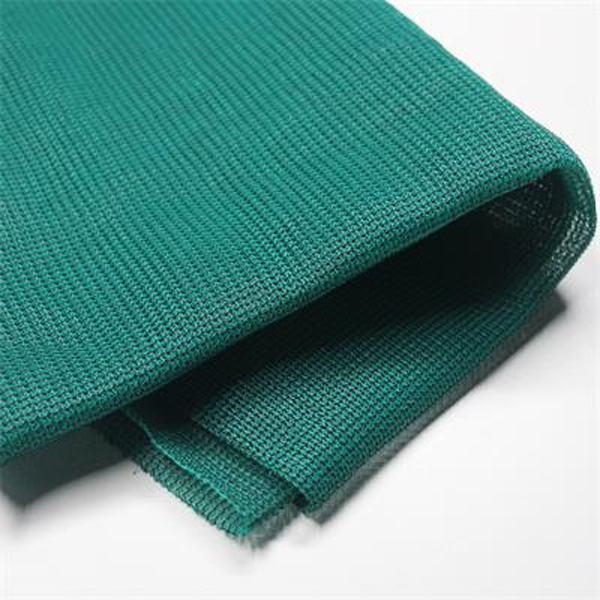
Shade cloth, also known as shade netting or sunscreen fabric, is a highly versatile and essential tool in gardening, agriculture, and enhancing outdoor living spaces. Made from a variety of materials such as polyethylene (PE), polypropylene (PP), or even more durable synthetic fibers, shade cloth provides a controlled level of shading, allowing plants and people to thrive under harsh sunlight conditions while still benefiting from natural light and airflow.

Benefits of Shade Cloth.Temperature Regulation: In hot climates, shade cloth can significantly reduce the temperature underneath, creating a more hospitable environment for plants that may otherwise struggle with excessive heat. This also helps to conserve water by reducing evaporation from the soil.Light Filtering: By allowing a controlled amount of sunlight to penetrate, shade cloth promotes healthy plant growth without the damaging effects of direct, intense sun rays. This is particularly important for seedlings, delicate flowers, and plants that prefer partial shade.UV Protection: High-quality shade cloths offer effective UV protection, safeguarding both plants and humans from harmful ultraviolet radiation. This is particularly beneficial for outdoor enthusiasts spending extended periods in direct sunlight.Pest and Disease Control: By creating a physical barrier, shade cloth can help deter certain pests and reduce the risk of fungal diseases that thrive in moist, shady conditions. However, it's important to note that excessive shading can also promote mold growth in some cases, so proper ventilation and monitoring are crucial.Versatility and Durability: Available in various shades (from 10% to 90% light blockage) and sizes, shade cloth can be tailored to suit specific needs. It is also highly durable, resistant to tearing and fading, making it a cost-effective long-term investment.


Environmental Friendliness: Many modern shade cloths are made from recyclable materials and can be reused or recycled after their service life, reducing waste and promoting sustainability.Applications of Shade Cloth.Gardening: Used to protect young seedlings, delicate flowers, and vegetables from intense sunlight and pests, shade cloth encourages even growth and improves overall plant health.Agriculture: In commercial farming, shade cloths are employed to create microclimates for crops that require specific light and temperature conditions. They are also used to extend growing seasons in cooler regions.Outdoor Living Spaces: Homeowners and landscapers use shade cloth to create shaded areas for patios, decks, and pergolas, providing a cool and comfortable retreat from the sun.Animal Shelters: For livestock and pets, shade cloth provides a protective covering from direct sunlight, helping to prevent heat stress and promoting overall well-being.Installation and Maintenance Tips.Measure Accurately: Ensure you have the correct size of shade cloth to cover your intended area, with some extra material for overlap and securing.Securely Attach: Use ropes, stakes, or other fasteners to securely attach the shade cloth to support structures, such as poles or frames.

Regular Inspection: Check for tears, fading, or wear and tear regularly, and replace or repair as necessary to maintain optimal performance.Cleaning: Depending on the material, shade cloth can be hosed down or gently cleaned with a soft brush and mild detergent to remove dirt and debris.In conclusion, shade cloth is a multi-faceted tool that offers numerous benefits for gardeners, farmers, and outdoor enthusiasts alike. By providing controlled shading and environmental protection, it fosters healthy plant growth, enhances outdoor living spaces, and contributes to sustainable practices.

Monday, August 12, 2024

A Delicate Balance between Privacy and Visibility

In modern society, privacy protection has become an increasingly important issue. In homes, offices, and public spaces, the question of how to maintain indoor privacy while still enjoying natural light from the outdoors has captured the attention of many. One-way privacy film, this remarkable glass film, was born to address this very concern. This article will delve into the principles, functions, applications, and installation methods of one-way privacy film, offering you an in-depth understanding of this innovative product.

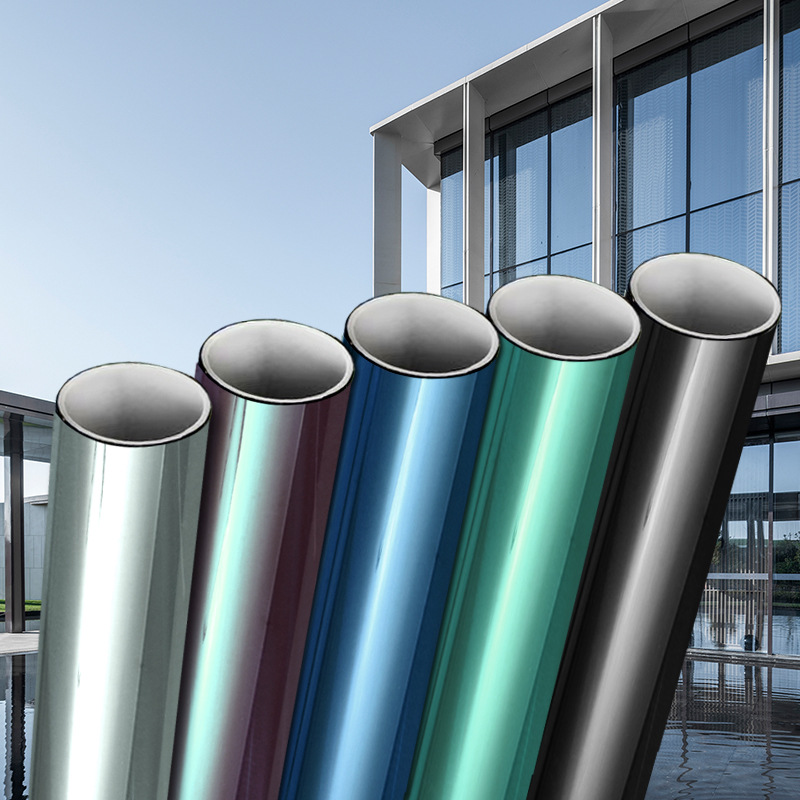
Principles of One-way Privacy Film.One-way privacy film, also known as one-way mirror film or mirrored film, is a special film material that can be applied to glass, imparting a high reflectance of visible light. Its principle lies in utilizing the difference in light intensity to achieve a one-way visibility effect. When the outdoor light is brighter than the indoor light, the one-way privacy film reflects most of the outdoor light, making it impossible for people outside to see the indoor scenery, akin to facing a regular mirror.Conversely, indoor occupants can clearly see the outdoors through the film's light transmittance. When the outdoor light is dimmer, the film becomes relatively transparent, allowing mutual visibility between indoors and outdoors, though clarity depends on the intensity of outdoor light.Functions of One-way Privacy Film.Privacy Protection: The most notable function of one-way privacy film is to safeguard indoor privacy. Under suitable lighting conditions, it effectively blocks outdoor views, allowing indoor occupants to reside or work at ease without fear of prying eyes.Energy Saving: The film also boasts excellent thermal insulation properties. In summer, it blocks most solar radiation heat, reducing indoor temperatures and air conditioning energy consumption. In winter, it minimizes indoor heat loss, enhancing insulation and achieving energy savings.


UV Protection: Prolonged exposure to sunlight can fade and age furniture, curtains, and other indoor items, and may even harm human skin. One-way privacy film blocks 99% of harmful UV rays, safeguarding indoor belongings and occupants.Aesthetic Enhancement: Available in a variety of colors and patterns, one-way privacy film can be selected based on personal preferences and interior design styles. After application, the film not only serves practical functions but also adds a unique aesthetic touch to the building.Sound Insulation: Some one-way privacy films also possess good sound insulation properties, effectively reducing external noise and creating a quieter, more comfortable indoor environment.Applications of One-way Privacy Film.One-way privacy film is widely used in various settings requiring privacy protection, such as high-end residences, villas, offices, banks, museums, and courts. Additionally, in special locations like police stations, detention centers, and prisons, the film is employed in concealed observation windows and holes to enhance security and monitoring efficiency.Installation Method of One-way Privacy Film.Measure Window Size: Accurately measure the window dimensions to cut the film to the appropriate size.Cut Film Material: Cut the one-way privacy film according to the window size, ensuring the cut size is 1-2 cm larger than the actual window for adjustment during installation.Clean Glass: Thoroughly clean the glass surface with a professional glass cleaner to remove dust, grease, and other impurities, ensuring a clean surface for film application.Spray Water: Mist the glass surface with an appropriate amount of water to facilitate sliding and positioning during film application.

Apply Film: Adhere the cut one-way privacy film to the glass, ensuring it is flat and bubble-free. Use a squeegee or similar tool to assist in film application, ensuring a tight bond between the film and glass.Remove Excess Water: Gently scrape off excess water and bubbles from the film surface with a squeegee to optimize the installation results.Inspect and Adjust: After installation, carefully inspect the film for wrinkles, bubbles, or other issues, making adjustments as necessary.By following these steps, the one-way privacy film is successfully installed on the glass. From now on, you can enjoy the convenience and comfort brought by the delicate balance between privacy and visibility.

Thursday, August 8, 2024

A Comprehensive Analysis from Concept to Application

Safety Mesh, as a term that spans multiple domains, encompasses a wide range of meanings and applications. In the realm of Safety, it specifically refers to "Safety Mesh," while in construction and other industrial applications, it denotes structural materials used for safety protection. This article will delve into the concept, characteristics, applications, and significance of Safety Mesh in modern network environments.

Safety Mesh.Safety Mesh is a new trend in Safety technology advancements proposed by Gartner, which has consecutively featured in its annual list of top strategic technology trends for two years, making it a hot topic in the Safety field. This concept aims to address the increasingly complex and decentralized network environments, providing organizations with more robust, flexible, and scalable security capabilities.Concept and Characteristics.Safety Mesh is a distributed architecture approach that achieves scalable, flexible, and reliable Safety controls through centralized policy orchestration and distributed policy enforcement. It transcends traditional physical boundary defenses by defining security perimeters around individual identities or entities. This architecture offers a composable security approach based on identities, enabling the creation of scalable and interoperable services.The key characteristics of Safety Mesh include:Universal Integration Framework: It provides a universal integration framework and methodology that supports the orchestration and collaboration of various security services, enabling a flexible, composable, and scalable security architecture akin to a "Lego" mindset.Distributed Network Architecture: Leveraging the decentralization, peer-to-peer collaboration, structural flexibility, reliable connectivity, and scalability of the "mesh," it creates smaller, individual perimeters around each access point, eliminating reliance on a single security perimeter.

With the acceleration of digital transformation and the prevalence of cloud services, more assets and data are distributed across clouds and data centers, rendering traditional boundary defense methods insufficient for modern Safety needs. The application scenarios of Safety Mesh include:Multi-cloud Environments: Large organizations often adopt multi-cloud strategies, utilizing services from multiple cloud providers. Safety Mesh offers a method to achieve consistent security controls across cloud providers, safeguarding organizations' digital assets.Remote and Mobile Work: The COVID-19 pandemic has driven the popularity of remote and mobile work, with users, devices, applications, and data gradually moving away from traditional workplaces and data centers. Safety Mesh enables security perimeters defined around individual identities, supporting secure access from anywhere.Complex IT Systems: For large organizations with complex IT architectures, such as government agencies, financial institutions, and large manufacturing enterprises, Safety Mesh provides a unified, flexible, and reliable security control method, enhancing overall security protection effectiveness.The advantages of Safety Mesh lie in its ability to address the security challenges posed by evolving business systems and network environments, offering stronger, more flexible, and scalable security capabilities than traditional physical boundary defenses. However, its implementation also faces challenges, such as ensuring consistent security controls across cloud providers and managing the complexity of integrating and administering security tools.Safety Mesh in Construction and Industrial Applications.In construction and industrial applications, Safety Mesh typically refers to structural materials used for safety protection, such as safety nets. The design, construction, testing, and installation of these materials must adhere to strict standards like AS/NZS 4389:1996 to ensure safety and reliability in residential, commercial, and industrial buildings.Safety Mesh is widely used on construction sites to prevent personnel falls, protect worker safety, and mitigate damage caused by falling objects. Its high strength, corrosion resistance, and ease of installation make it an indispensable safety equipment in the construction industry.

Both Safety Mesh in the Safety domain and Safety Mesh in construction and industrial applications demonstrate the widespread application and significance of the "mesh" concept across different fields. Safety Mesh provides robust security safeguards for modern network environments through its distributed architecture and identity-based security controls. Meanwhile, Safety Mesh in construction and industry ensures workers' life and property safety by providing reliable safety protection materials. As technology continues to advance and application scenarios expand, Safety Mesh will play a vital role in even more areas.


Tuesday, August 6, 2024

A Versatile and Durable Material Analysis

In modern industries such as manufacturing, construction, advertising, and packaging, Corflute Rolls (also known as Corflute boards or corrugated plastic sheets) are gradually demonstrating their unique advantages as a multifunctional and durable material. Made from high-density polyethylene (HDPE), Corflute Rolls are processed through a special technique into boards with a corrugated structure. This structure not only enhances the material's strength and rigidity but also imparts excellent flexibility and weather resistance. This article delves into the characteristics of Corflute Rolls, their application areas, and their significant roles in various industries.

Characteristics of Corflute Rolls.High Strength, Lightweight.Corflute Rolls are renowned for their unique corrugated structure, which allows the material to maintain high strength while being relatively lightweight. This characteristic makes Corflute Rolls excel in situations requiring high load-bearing capacity but also demanding lightweight materials, such as outdoor advertising signboards and temporary construction walls.Strong Weather Resistance.Being made from HDPE, Corflute Rolls possess exceptional weather resistance. It can withstand ultraviolet radiation, weathering, and rain, maintaining stable physical properties and appearance even after prolonged exposure to outdoor environments. This feature makes Corflute Rolls an ideal choice for outdoor advertising, construction barriers, and other related fields.Easy Processing and Installation.Corflute Rolls can be easily cut, bent, and punched according to requirements, simplifying the processing process. Additionally, their lightweight nature facilitates transportation and installation, reducing construction costs and time. Furthermore, Corflute Rolls can be connected through heat sealing or adhesives, further enhancing construction efficiency.Environmentally Friendly and Recyclable.As an HDPE product, Corflute Rolls can be conveniently recycled and reused after reaching their service life, minimizing environmental pollution. This eco-friendly characteristic aligns with modern society's demands for sustainable development, making Corflute Rolls highly favored in the green building materials sector.


Advertising and Display.Due to their lightweight, weather resistance, and ease of processing, Corflute Rolls are the preferred material for outdoor advertising signboards and exhibition display boards. In various commercial activities, promotions, and exhibitions, Corflute Rolls-made signboards and display boards effectively convey information while enhancing brand image and appeal.Construction and Engineering.In the construction industry, Corflute Rolls are widely used in temporary construction walls, barriers, sound barriers, and more. Their high strength and lightweight characteristics facilitate convenient and efficient construction, while their excellent weather resistance ensures stable performance over extended periods. Furthermore, Corflute Rolls can serve as formwork materials, providing protection and support during concrete pouring.Packaging and Logistics.In packaging and logistics, Corflute Rolls are widely utilized due to their excellent cushioning and protective properties. They can serve as padding materials for product packaging, effectively safeguarding goods from impacts and vibrations during transportation. Additionally, their recyclable nature aligns with the trend of green packaging.Agriculture and Horticulture.In agriculture and horticulture, Corflute Rolls are used as greenhouse covering materials, shade nets, windbreaks, and more. Their weather resistance and light transmission properties enable plants in greenhouses to obtain a suitable growth environment, while windbreaks effectively protect crops from adverse weather conditions.


In conclusion, Corflute Rolls, as a versatile and durable material, have demonstrated broad application prospects in advertising, construction, packaging, agriculture, and other fields. With continuous technological advancements and growing market demand, the performance and application range of Corflute Rolls will continue to expand. In the future, we have every reason to believe that Corflute Rolls will leverage their unique advantages in even more sectors, providing industries with more high-quality and efficient solutions.

Wednesday, July 31, 2024

A Versatile and Efficient Adhesive Material

Self Adhesive Film, as a widely used material in modern industries and daily life, has gained widespread market recognition due to its unique self-adhesive properties and diverse application areas. This film, coated with a special adhesive on its surface, can easily adhere to various substrates without the need for additional glue or adhesives, demonstrating strong adhesion and convenience.

Characteristics and Advantages.Powerful Self-Adhesiveness.The most prominent feature of Self Adhesive Film is its powerful self-adhesiveness. Whether it's metal, plastic, glass, or paper, as long as the surface is clean and free of oil and dirt, this film can achieve fast and secure attachment. This characteristic not only simplifies the operation process but also significantly improves work efficiency.Excellent Peel Strength.In addition to its strong initial adhesion, Self Adhesive Film also possesses excellent peel strength. Even after prolonged use, its adhesive force does not decrease significantly, ensuring long-term stability and reliability of the product. This film exhibits extremely high application value, especially in scenarios where long-term adhesion is required, such as automotive interiors, architectural decorations, and electronic products.Good Weather Resistance.Self Adhesive Film typically has good weather resistance, able to withstand the effects of ultraviolet rays, high and low temperatures, and humidity. This feature makes it widely used in outdoor advertising and exterior architectural decorations. Even under harsh environmental conditions, it maintains good appearance and performance.Diverse Substrates and Structures.To meet the needs of different industries, Self Adhesive Film exhibits diverse substrates and structures. For instance, some films use polyester (PET) as the substrate for good mechanical strength and chemical resistance, while others use polypropylene (PP) to reduce costs and improve flexibility. Depending on the application scenario, different adhesives or additives can be coated on the film surface to meet specific performance requirements.


Application Areas.Automotive Industry.In the automotive industry, Self Adhesive Film is widely used for the attachment and fixation of interior components. For example, door trim panels, instrument panels, seats, and other parts can be quickly and securely adhered with this film. Additionally, it can be applied to automotive body decorations and protective films.Construction Industry.In the construction industry, Self Adhesive Film also plays a significant role. It can serve as insulation and soundproofing films for glass curtain walls, wallpapers or wallcoverings for interior decorations, and is especially popular for exterior architectural decorations due to its unique visual effects and convenient installation.Electronics.In electronics manufacturing, Self Adhesive Film is also essential. It can be used as protective films or label stickers for mobile phones, tablets, and other devices. Furthermore, it plays a crucial role in circuit board production and component packaging processes.Advertising and Packaging Industry.In the advertising and packaging industry, Self Adhesive Film is an indispensable material. It can be used for outdoor billboards, storefront decorations, and product packaging labels. Its vivid colors and strong weather resistance make it highly applicable in these fields.Trends.With technological advancements and changing market demands, Self Adhesive Film continues to evolve and innovate. In the future, we can expect to see more novel films with special functions and properties emerging. For instance, environmentally friendly and biodegradable films will become the new favorites in the market, while intelligent films can automatically adjust their performance in response to environmental changes. Additionally, advancements in nanotechnology and biotechnology will bring more innovations and breakthroughs to Self Adhesive Film.

In summary, Self Adhesive Film, as a versatile and efficient adhesive material, plays a crucial role in modern industries and daily life. Its powerful self-adhesiveness, excellent peel strength, good weather resistance, and diverse substrates and structures make it applicable in various fields. With continuous technological advancements and evolving market demands, we can anticipate seeing more innovative Self Adhesive Films that will bring greater convenience and surprises to our lives.

Monday, July 29, 2024

Exploring the Unique Perspective of Visual Art

In the vast field of visual art, film, as a comprehensive art form, not only integrates various elements such as images, sounds, and narratives but also creates diverse visual experiences through different technical means and expressive techniques. Among them, One-Way Perspective Film, as a unique type of film, brings unprecedented viewing experiences to audiences with its unique perspective and narrative style. This article will delve into the definition, characteristics, creative techniques, and applications of One-Way Perspective Film in contemporary film art.

Definition and Characteristics.One-Way Perspective Film, as the name suggests, refers to a film that presents the storyline through a single perspective. This type of film usually adopts a fixed or restricted camera angle in narration, making the audience feel as if they are in the sight of a specific character, experiencing what the character sees and hears. This narrative approach not only enhances the immersion of the story but also prompts the audience to understand and feel the inner world of the character more deeply.The characteristics of One-Way Perspective Film mainly include the following aspects:Perspective Limitation: The camera angle is fixed or restricted, and the audience can only watch the story development from a specific perspective. This limitation increases the tension and realism of the narrative.Immersive Experience: Through the presentation of a single perspective, the audience can more easily resonate with the character, as if experiencing what the character sees and hears, thereby gaining a more profound emotional experience.Narrative Innovation: One-Way Perspective Film often pursues innovation in narrative structure, breaking the framework of traditional narration through unique perspective selection and editing techniques, bringing a new viewing experience to the audience.


Creative Techniques.To create a successful One-Way Perspective Film, it is necessary to master the following key techniques:Perspective Selection: The choice of perspective is crucial for the success of a one-way perspective film. Creators need to carefully select a perspective that best reflects the inner world of the character and drives the story development, based on the storyline and character characteristics.Scene Design: Scene design should coordinate with perspective selection, ensuring that the composition of the picture is reasonable, the information is rich, and the scene has a sense of depth when viewed from the selected perspective.Editing Techniques: Editing techniques are particularly important in one-way perspective films. Through clever editing, it can compensate for the lack of information caused by perspective limitations while maintaining the coherence and rhythm of the narrative.Sound Design: Sound design is also a crucial aspect. By utilizing sound elements such as ambient sounds and character dialogues, it can enhance the immersion of the audience and make the viewing experience more three-dimensional and realistic.Contemporary Applications.In contemporary film art, One-Way Perspective Film, as a unique narrative technique, is increasingly adopted by directors. It not only brings a new viewing experience to the audience but also promotes the innovation and development of film narrative techniques. For example, in some suspense or thriller films, the use of a one-way perspective can enhance the tension and mystery of the story; while in some emotionally delicate drama films, it can explore the inner world of the characters in depth through a one-way perspective, making the audience more empathetic.


As a unique type of film, One-Way Perspective Film brings unprecedented viewing experiences to the audience with its unique perspective and narrative style. It is not only an innovative attempt in film art but also a profound exploration of human visual experience. With the continuous development of film technology and the increasing diversification of audience aesthetic demands, we have reason to believe that One-Way Perspective Film will play a more significant role in the future of film art, bringing us more splendid and diverse visual feasts.

Mantis Window protective film: the invisible safety guard of your home

While pursuing the beauty and comfort of home, we often overlook a seemingly ordinary but crucial barrier - window glass. It not only brings...